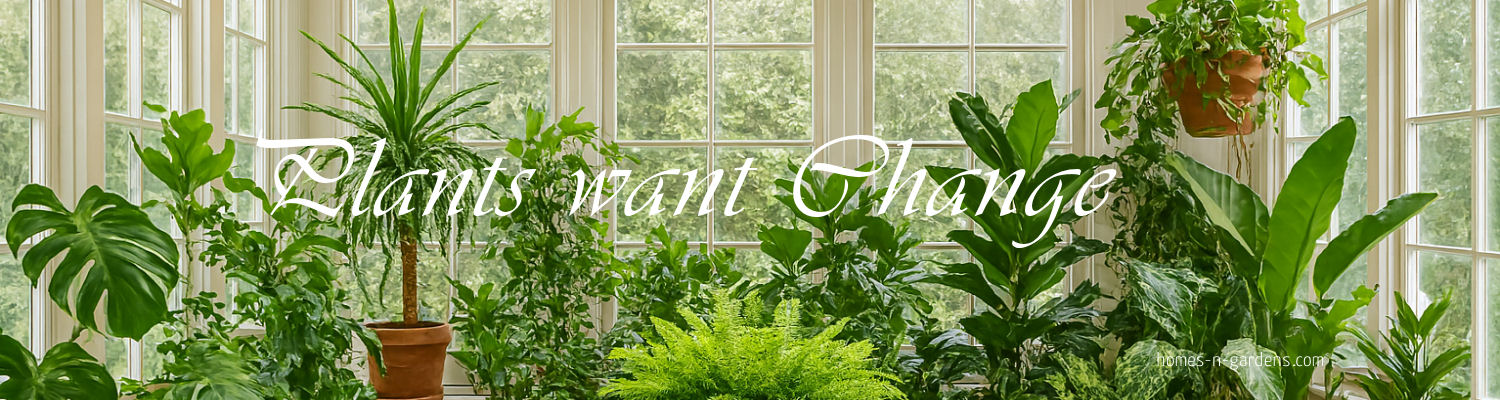
🌿 Plants Want Change – Indoor Plant Care
Understanding Seasonal Rhythms Indoors
Indoor plants are not static. They live, grow, rest, and bloom in response to subtle shifts in light, temperature, and energy—just as they would outdoors. Often, plants purchased at their peak appearance may look different over time. This is normal. Seasonal changes are part of their natural rhythm, not a reflection of poor care.
Tip: Observe your plants’ natural cycles. A pause in growth or leaf drop may signal rest, not a problem.
Warning: Avoid forcing blooms out of season. Overwatering or overfeeding during rest periods can stress the plant.
Indoor Plants and Their Seasonal Needs
| Plant | Type of Change | Care Note |
|---|---|---|
| Christmas Cactus | Short days + cooler nights | Flowers in winter; leaf growth pauses |
| Thanksgiving Cactus | Short days + cooler nights | Buds slightly earlier than Christmas cactus |
| Amaryllis | Dormancy → rebloom | Dry rest period is required for next bloom |
| Calla Lily | Dormancy after bloom | Keep soil dry during rest |
| Paperwhite / Spring Bulbs | Cold period → bloom | Requires chilling or forcing indoors |
| Fiddle Leaf Fig | Slower winter growth | May drop lower leaves; avoid overwatering |
| Rubber Plant | Light shift response | Growth resumes after rest period |
Indoor Plant Seasonal Checklist
- Observe: Note changes in growth, leaves, and buds each season.
- Adjust Care: Reduce watering during slower months; increase slightly when growth resumes.
- Provide Cool Nights: Trigger blooms for winter flowering plants.
- Celebrate Foliage: Green months indoors are purposeful and restful.
- Track Light & Temperature: Plants follow these natural cues more than human schedules.
Frequently Asked Questions: Indoor Plant Seasonal Care
- Q: Why has my Christmas cactus not bloomed yet?
- A: Winter bloomers need short days and cooler nights. Make sure your cactus experiences these natural cues and avoid overwatering.
- Q: Should I fertilize plants during their rest periods?
- A: No. Fertilizing during dormancy can stress the plant. Wait until growth resumes in spring or after winter bloom.
- Q: My orchid stopped flowering—is it dying?
- A: Not at all. Orchids often have long rest periods between blooms. Check that roots are firm and leaves are healthy; the plant is storing energy for the next flowering cycle.